The Mission
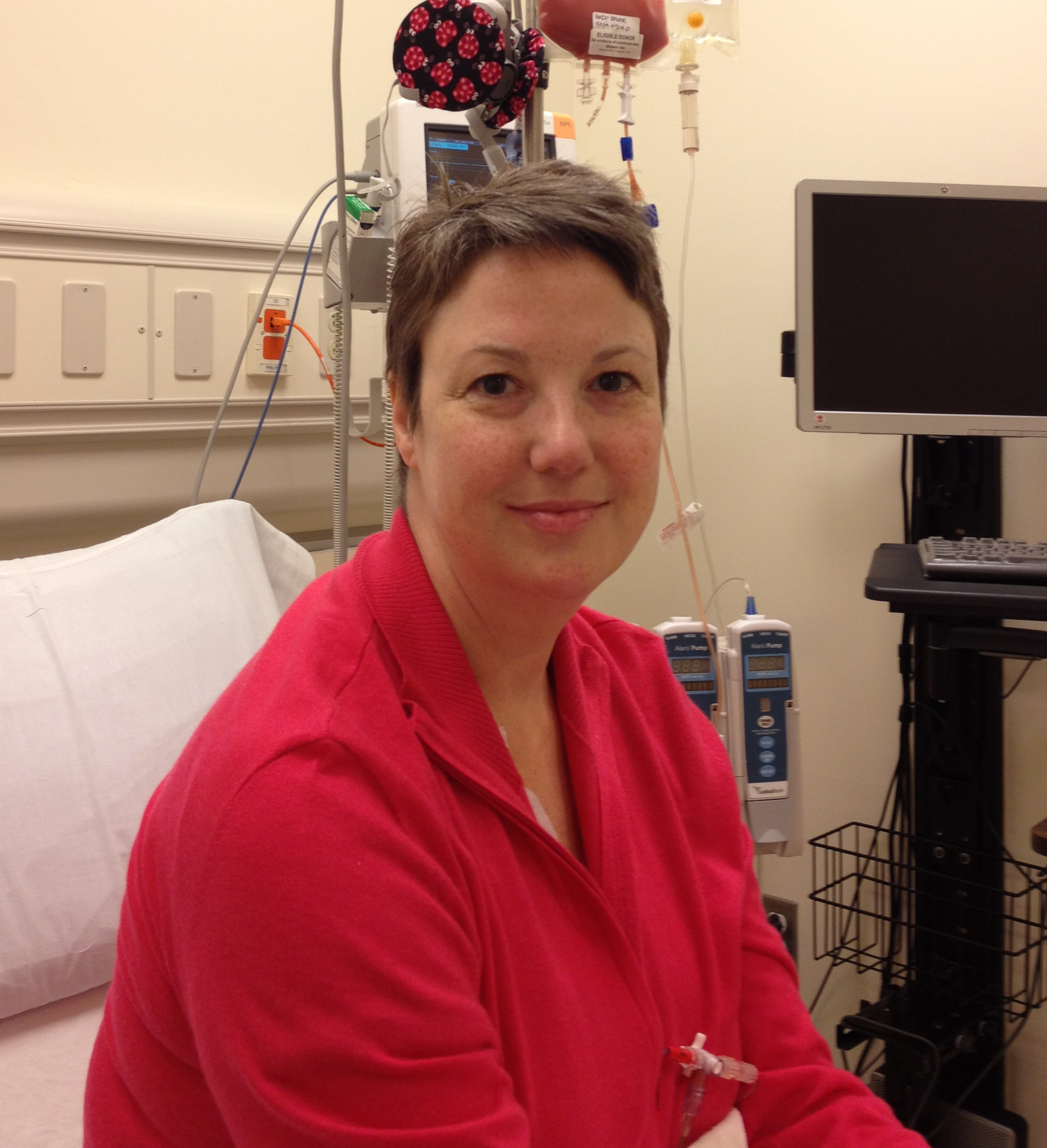
Holly's Vow is her legacy — a fund to provide hope for those affected by lung GVHD. Our objective is to become a key funding source for research into treatments for BOS, as well as a clearinghouse for the best research in this field. Despite its morbidity and high mortality, research into BOS is severely underfunded. We are committed to changing that.
Holly's fight should be celebrated. Nobody should beat cancer only to die from the cure. Please join us in carrying out Holly's Vow.
Fund Creators
Dr. Joe Hsu
Stanford University
The leading researcher in lung GVHD and founder of the Stanford Lung GVHD Clinic — the only outpatient program in the world devoted solely to pulmonary complications after bone marrow transplant.
Christopher Patz
Co-Creator
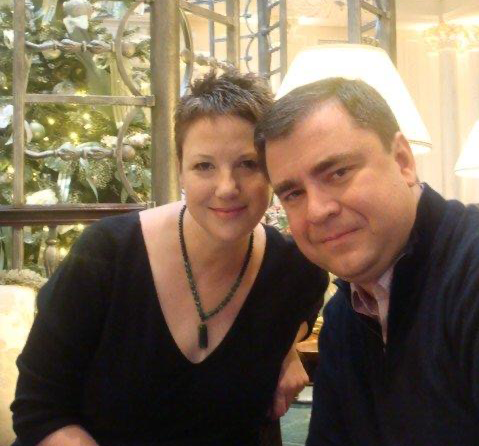
Holly's husband throughout her seventeen-year fight against blood cancer and lung GVHD, and the driving force behind carrying her vow forward.
About BOS
Bronchiolitis Obliterans Syndrome is characterized by progressive narrowing of the small airways, leading to worsening shortness of breath, recurrent respiratory infections, and ultimately respiratory failure. Its estimated five-year survival rate is approximately 40%.
BOS often develops insidiously and may initially be mistaken for general post-transplant debilitation, resulting in delayed diagnosis. By the time it is identified, irreversible lung damage in the form of fibrosis has often already occurred. There are currently no reliably effective treatments.
Current research — including work at Stanford's Lung GVHD Clinic — is focused on improving early detection and developing novel therapeutic strategies to improve long-term outcomes in bone marrow transplant recipients. Learn more about the disease →